If you’re a Millennial staring down a garage, basement, or spare bedroom overflowing with your parents’ or grandparents’ belongings, you’re not alone. Across the internet, adult children are venting about the sheer volume of stuff they expect to inherit one day, items their Boomer parents insist on keeping “just in case.”
At first glance, it can feel frustrating, stubborn, or even selfish. But psychology suggests something far deeper is at play. A recent piece from Global English Editing explored this dynamic with compassion, reframing the issue not as hoarding or obstinance, but as something deeply human: memory, identity, and survival.
So why can’t many Boomers let go?
It’s Not About the Stuff, It’s About the Life Attached to it.
For many Boomers, objects aren’t just objects. They are chapters of a life that no one asks about anymore. This generation lived through, or was raised by those who lived through, scarcity, economic instability, war, and rapid social change. They were taught to save, reuse, repair, and prepare. “You might need that someday” wasn’t clutter logic; it was survival logic.
Over time, belongings became proof:
- Proof of hard work
- Proof of sacrifice
- Proof that their life mattered
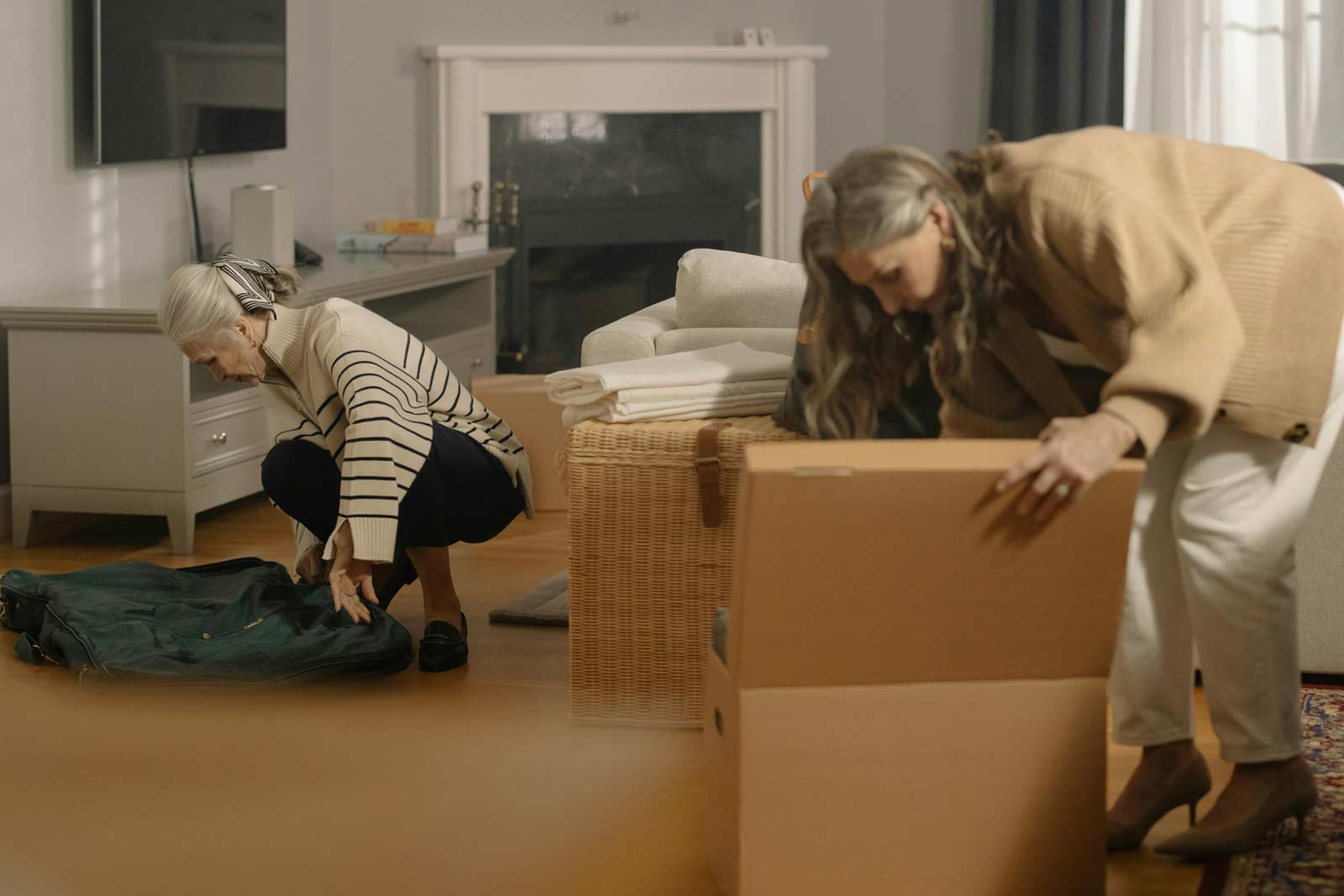
When someone asks them to throw something away, what they often hear is: “That part of your life doesn’t matter anymore.” This is where the emotional resistance comes from.
Is This Hoarding? Not Exactly.
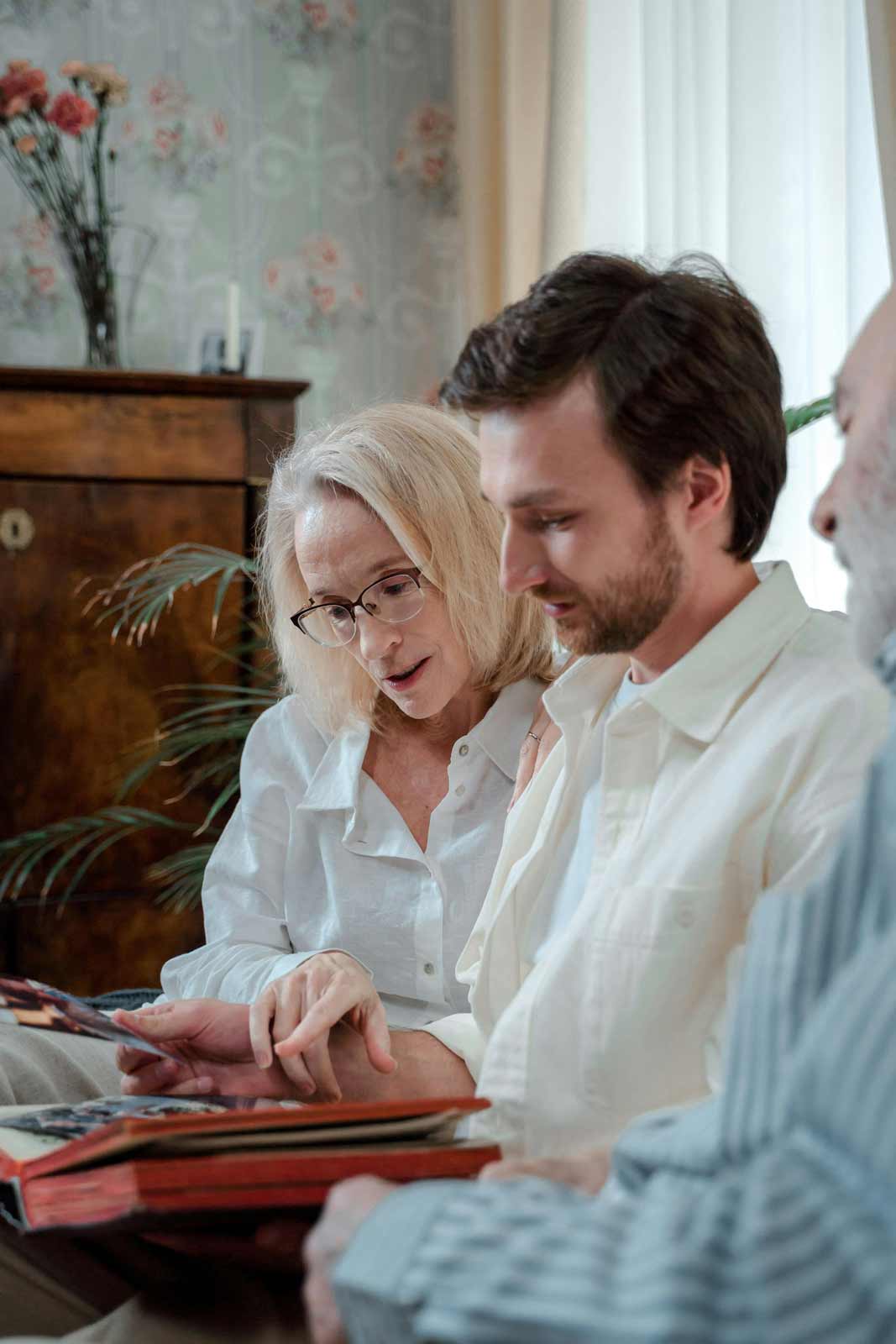
While extreme cases can overlap with hoarding behaviors, most Boomer clutter is rooted in emotional attachment, not compulsion.
Common beliefs include:
- “I might need this one day.”
- “I’ll repurpose it eventually.”
- “My kids or grandkids will want this.”
These statements aren’t about logic, they’re about future-proofing love and relevance.
Letting go can feel like:
- Admitting time has passed
- Acknowledging physical limitations
- Accepting that life has changed
And that’s heavy.
Why Arguing Doesn’t Work (and What Does Instead)
Telling parents they’re being unrealistic or that “no one wants this stuff” often shuts the conversation down immediately. Decluttering requires psychological safety, not pressure. Before new habits can form, old behaviors must be understood. That’s where empathy comes in.
3 Empathetic Phrases Millennials Can Use to Start the Conversation
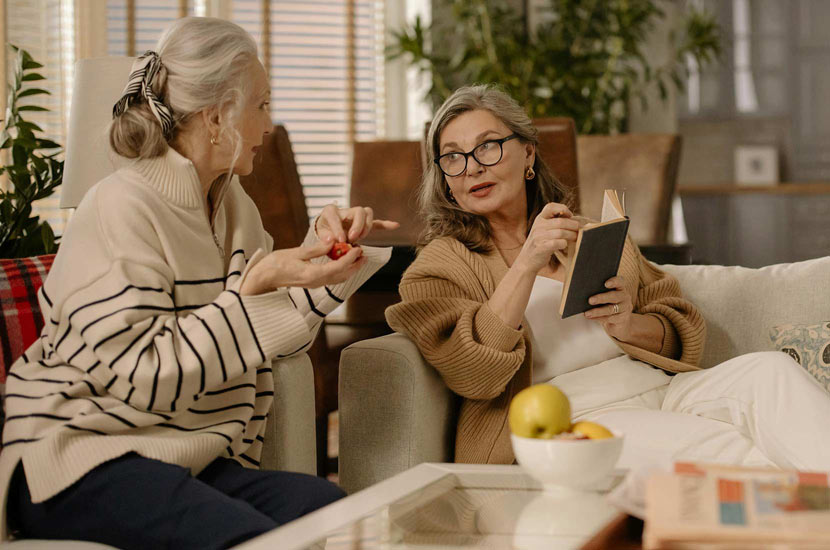
Phrase #1: “I’d love to hear the story behind some of these items. Which ones feel most important to you?”
- Why it works: This centers them, not the stuff. It communicates respect and curiosity, opening emotional trust before any mention of decluttering.
Phrase #2: “What would you want us to remember if we couldn’t keep everything?”
- Why it works: It gently introduces limits without judgment and reframes decluttering as legacy-building, not loss.
Phrase #3 (Refined & More Sensitive): “I notice you’ve saved a lot of things for ‘just in case’ or for us one day. What do you hope those items will give us?”
- Why it works: Instead of challenging the belief, it explores the intention behind it: love, care, and continuity, which allows for alternative solutions to emerge.
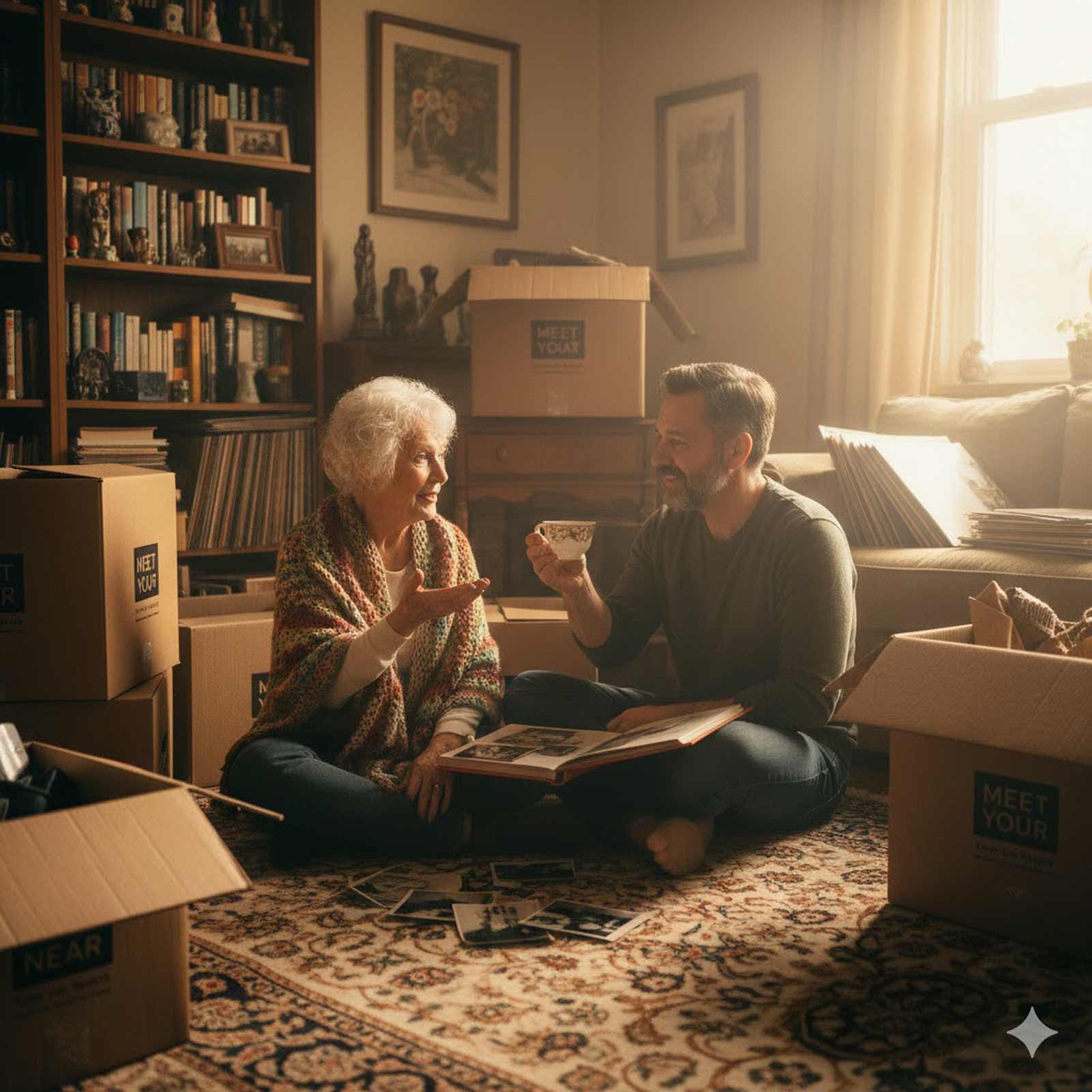
Honoring Memories Without Keeping Everything
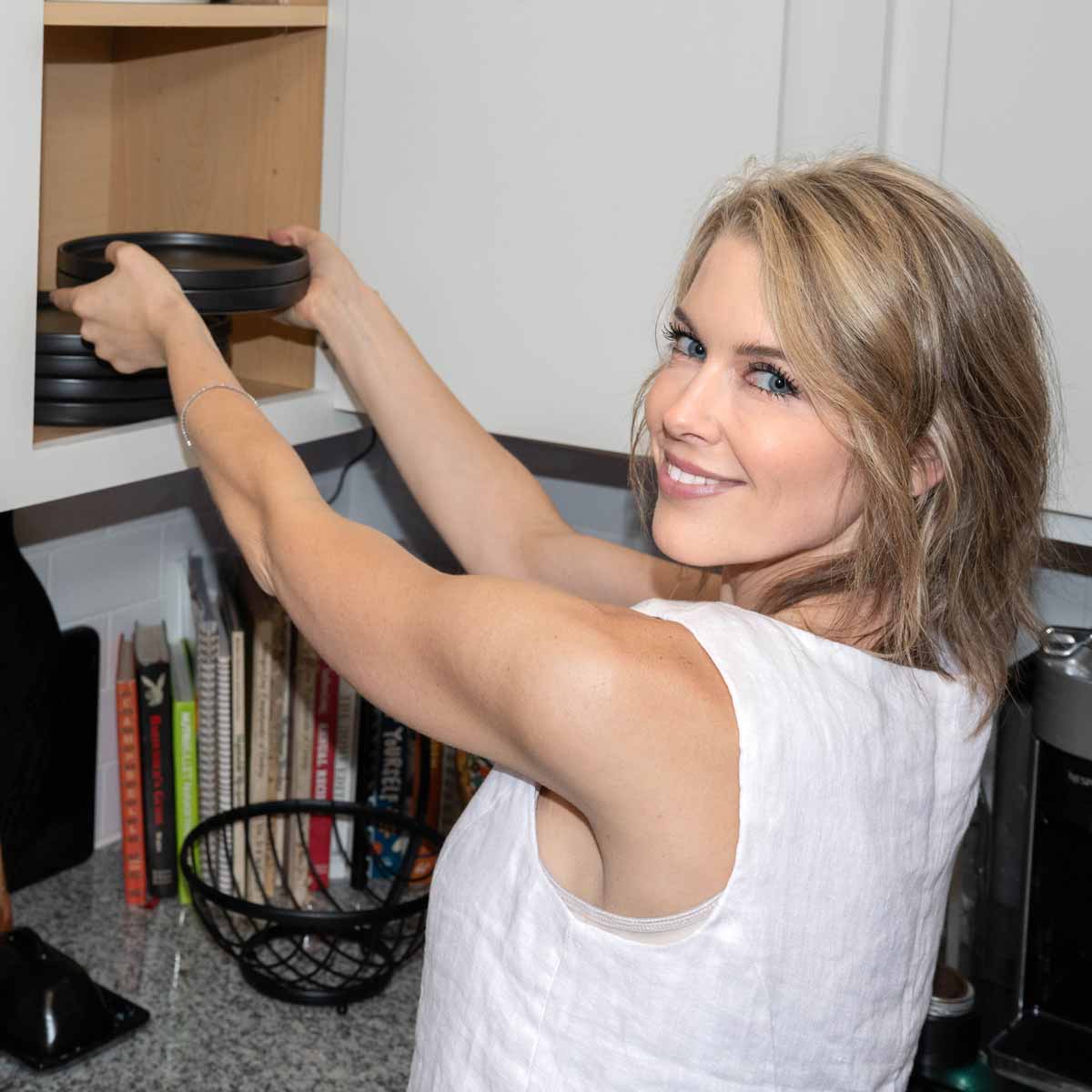
Hi, I’m Victoria Greene, founder of Meet Your Neat, an organizing business here in Greater and Metro Atlanta that focuses on the psychology of organizing. I work primarily with seniors, helping them unlearn habits that once protected them but may no longer serve their current lives.
I hear the same phrases daily:
- “I might need this someday.”
- “I was going to repurpose that.”
- “I’m saving this for my children or grandchildren.”
The truth is uncomfortable: most of those items won’t be used, repurposed, or wanted. But that truth directly conflicts with everything they were taught. Instead of forcing change, I recommend translating memory into meaning.
Some alternatives that preserve emotional value:
- Photograph heirloom items and create a scrapbook
- Journal the story of how objects were passed down
- Create a simple family ancestry or memory book
The feelings stay. The burden doesn’t.
A Different Way to Talk About Letting Go
Here are a few gentle conversation starters that reduce defensiveness:
- “Let’s talk about how we can keep the memories without the overwhelm.”
- “What are the first three things we could do today to make this space easier to live in?”
- “How does this item make you feel, and would writing that down preserve it better than storing it?”
These questions shift the focus from getting rid of to caring for, which is what this generation understands best.
The Takeaway
Boomers aren’t holding onto things because they’re stubborn. They’re holding on because those things hold them.
When we approach decluttering with empathy, curiosity, and respect, we don’t just clear spaces – we heal relationships. And that’s worth far more than what’s in the garage.
Victoria Greene,
Founder of Meet Your Neat and Member of NAPO National and Georgia Chapter.